
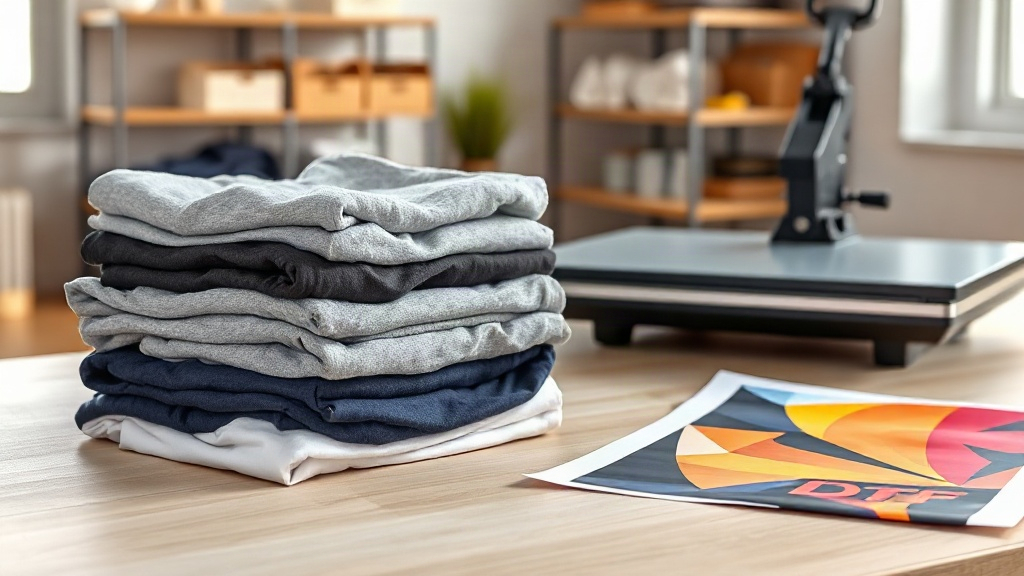
If you've ever pressed a dtf transfers onto a blank and watched it crack, fade, or peel after a few washes, you know the frustration. The secret to a flawless, professional-looking print isn't just in the transfer itself; it's in the canvas you choose. That's where smart blanks come in. These specially engineered garments are designed to work in perfect harmony with DTF technology, giving you results that look like they came straight from a commercial screen printer. In this article, we'll dive deep into what makes a blank 'smart' for DTF, why Shaka Wear has become a go-to for crafters and small businesses, and how to select the best blanks for your projects. Whether you're printing a single custom tee or running a full production line, the right blank can mean the difference between a print that lasts and one that disappoints.
What Are Smart Blanks and Why Do They Matter for DTF?
Smart blanks are garments specifically manufactured with DTF printing in mind. They typically feature a tight, smooth weave, minimal surface texture, and a consistent fabric composition that allows the adhesive powder and ink to bond evenly. Unlike standard blanks, which may have inconsistencies in dye, weave, or finish, smart blanks undergo rigorous quality control to ensure they meet the demands of heat transfer applications. Why does this matter? Because DTF transfers rely on a chemical and mechanical bond between the printed film and the fabric. If the fabric is too rough, the transfer can't make full contact, leading to poor adhesion. If the fabric is treated with certain softeners or finishes, the transfer may not stick at all. Smart blanks eliminate these variables, giving you a reliable foundation for your prints.
The Science Behind the Bond
When you press a DTF transfer, the thermoplastic adhesive melts and seeps into the fibers of the fabric. For this to happen effectively, the fabric must be able to absorb the adhesive without repelling it. Smart blanks are often made from 100% cotton or a cotton-poly blend that has been scoured and prepared to remove any oils or coatings that could interfere with adhesion. Additionally, the weave density matters: a tighter weave provides more surface area for the adhesive to grab onto, resulting in a stronger bond. That's why many DTF printers recommend using ringspun cotton or combed cotton blanks, which have a smoother, more uniform surface than open-end cotton.
Shaka Wear: A Cut Above the Rest
Among the many blank brands available, Shaka Wear stands out for its exceptional quality and consistency. Founded in Los Angeles, Shaka Wear has built a reputation for producing heavyweight, durable garments that take to DTF printing like a dream. Their tees, hoodies, and tank tops are made from premium combed cotton, offering a soft hand feel that customers love. But what really sets Shaka Wear apart is their attention to detail: each garment is pre-shrunk, so you don't have to worry about your printed design warping after the first wash. The fabric is also tightly knit, providing a smooth canvas that minimizes the risk of transfer failure.
Why Shaka Wear Works So Well with DTF
Shaka Wear garments are a favorite among DTF printers for several reasons. First, their fabric is free from heavy silicone softeners, which can prevent the adhesive from bonding. Second, the consistent dyeing process means you get uniform color across every piece, so your transfers look the same whether you're printing on black, white, or heather grey. Third, the heavyweight construction (often 6.5 oz or more) provides a stable base that resists stretching during pressing, reducing the chance of design distortion. Many crafters report that prints on Shaka Wear blanks survive dozens of wash cycles without cracking or fading, making them ideal for retail-quality products.
Choosing the Right Smart Blank for Your DTF Project
Not all smart blanks are created equal, and the best choice depends on your specific project. Here are key factors to consider:
- Fabric Content: 100% cotton is the gold standard for DTF, as it allows for excellent adhesion and a soft finish. Cotton-poly blends (50/50) also work well and can be more durable, but may require slightly different pressing parameters.
- Weave and Texture: Look for tightly woven, smooth fabrics. Ringspun cotton is ideal because it has fewer surface irregularities. Avoid heavily textured fabrics like slub or thermal unless you're prepared for a vintage, distressed look.
- Color: Light colors are more forgiving, but DTF transfers can be printed with a white underbase to show up on dark garments. However, the blank's color can affect the vibrancy of the print, so test if you're aiming for precise color matching.
- Weight: Heavier fabrics (5.5 oz and up) tend to provide a more stable pressing surface and a premium feel. They also hold up better to repeated washing.
- Pre-treatment: Some smart blanks come pre-treated for DTF, but most don't require it. However, if you're using a blank that has been treated with a stain-repellent or moisture-wicking finish, you may need to pre-treat it to ensure adhesion.
Top Smart Blank Recommendations
Based on hands-on testing and feedback from the DTF community, here are some standout smart blanks:
- Shaka Wear Heavyweight Tee: A 6.5 oz, 100% combed cotton tee that's soft, durable, and takes transfers beautifully. Available in a wide range of colors.
- Bella+Canvas 3001: A lightweight (4.2 oz) option that's popular for its softness and eco-friendly production. Works well with DTF but may require lower pressing temperatures.
- Gildan 5000: A budget-friendly heavyweight (5.3 oz) that's widely available. Not as soft as Shaka Wear, but reliable for basic projects.
- Next Level 3600: A 4.3 oz ringspun cotton tee that offers a premium feel at a mid-range price. Excellent for fashion-forward designs.
Maximizing DTF Success: Tips from the Trenches
Even with the best smart blanks, technique matters. Here are some practical tips to ensure your DTF transfers look professional:
- Pre-press your garment: Always pre-press for 5-10 seconds to remove moisture and wrinkles. This step is crucial for consistent adhesion.
- Use the right pressure: Medium to firm pressure is typically best. Too little pressure and the transfer won't bond; too much and the adhesive can spread, causing a halo effect.
- Temperature matters: Most DTF transfers require 325°F for 15-20 seconds. However, always check the transfer supplier's recommendations, as some films may require different settings.
- Peel with care: Wait for the transfer to cool completely before peeling (cold peel) or peel while hot (hot peel) depending on the film type. Cold peel is more common for DTF and yields sharper details.
- Post-press for durability: After peeling, give it a final press for 5-10 seconds with a Teflon sheet or parchment paper to smooth the print and enhance washability.
Common Mistakes to Avoid with Smart Blanks and DTF
Even seasoned crafters can run into issues. Here are pitfalls to watch out for:
- Using fabric softener: Never use fabric softener on garments before printing. It leaves a residue that prevents adhesion. Also, avoid drying sheets.
- Skipping the pre-press: As mentioned, pre-pressing is non-negotiable. It removes sizing and moisture that can cause failure.
- Over-stretching the garment: When loading the shirt onto the press, don't pull it too tight. This can distort the fabric and lead to a crooked print.
- Ignoring the transfer's instructions: Different DTF films have different requirements. Always follow the manufacturer's guidelines for temperature, pressure, and peel method.
- Washing too soon: Wait at least 24 hours before washing a DTF-printed garment. This allows the adhesive to fully cure.
Frequently Asked Questions
Can I use DTF transfers on any fabric?
DTF transfers work best on cotton and cotton-poly blends. They can also be applied to polyester, but the pressing temperature should be lowered to avoid scorching. For best results, stick to smart blanks that are designed for heat transfer applications.
How do I know if a blank is 'smart' for DTF?
Look for blanks that are tightly woven, made from ringspun or combed cotton, and free from heavy finishes or softeners. Brands like Shaka Wear are known for their DTF-friendly qualities. If in doubt, test a small area first.
Why did my DTF transfer peel after washing?
Peeling usually indicates insufficient pressure, incorrect temperature, or a fabric that wasn't properly pre-pressed. It can also happen if the garment was washed too soon or with fabric softener. Ensure you follow the correct pressing parameters and wait 24 hours before washing.
What's the difference between DTF and DTG printing?
DTF (Direct to Film) involves printing on a special film, applying adhesive powder, and heat-pressing onto the garment. DTG (Direct to Garment) prints directly onto the fabric. DTF is more versatile and works on a wider range of fabrics, while DTG is typically limited to cotton.
Can I stretch a DTF print?
DTF transfers have some elasticity, but they can crack if stretched beyond their limit. To maintain flexibility, choose a transfer film designed for stretch and avoid over-stretching the garment during pressing. Also, consider the fabric's stretchability: smart blanks with a bit of spandex can help.
By choosing the right smart blanks and following best practices, you can achieve DTF transfers that look professional, feel great, and stand the test of time. Whether you're a hobbyist or a growing business, investing in quality blanks like Shaka Wear will pay off in customer satisfaction and repeat orders. So next time you fire up your heat press, remember: the blank is just as important as the transfer. Happy printing!