
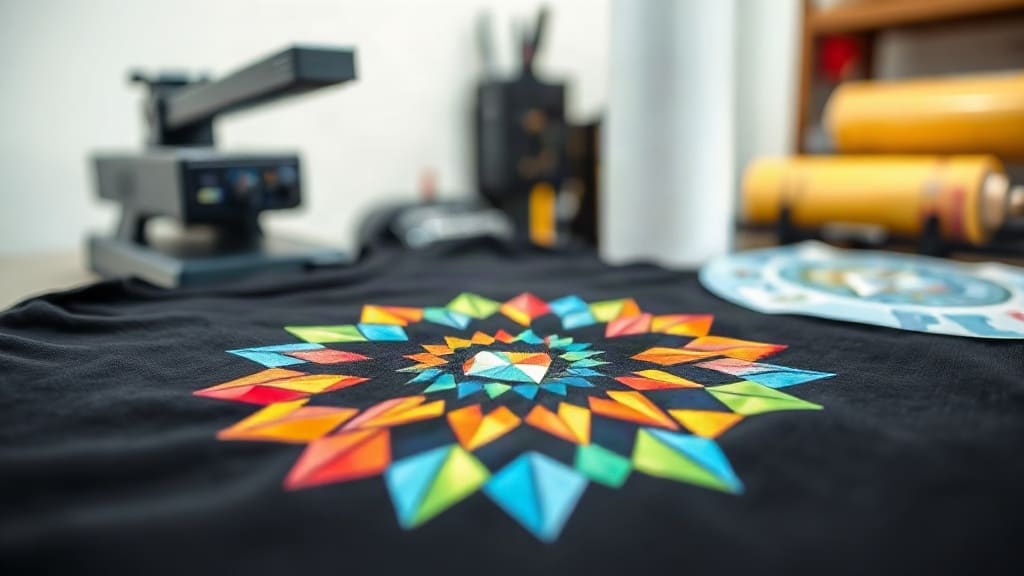
If you've been exploring custom apparel decoration, you've likely heard about DTF printing. It's the buzzword in every print shop, and for good reason. Direct to Film printing has completely changed how we approach garment decoration, offering stunning color vibrancy, exceptional durability, and incredible versatility. Unlike traditional methods that often struggle with complex designs or tricky fabrics, DTF opens doors to new possibilities. Whether you're a seasoned printer or just starting your own brand, understanding this technology can be a game-changer. Let's dive into what makes DTF so special and how you can leverage it for your custom apparel projects.
What Is DTF Printing?
DTF stands for Direct to Film. It's a printing method where your design is printed onto a special PET film using a specialized printer and ink. After printing, a hot-melt adhesive powder is applied to the wet ink, and then the film is cured. The final step is transferring the design onto your garment using a heat press. The result is a vibrant, durable print that feels soft to the touch and can withstand countless washes.
What sets DTF apart is its ability to print on almost any fabric without pre-treatment. Whether it's cotton, polyester, blends, or even nylon, DTF handles them all. This versatility is a huge advantage over other methods like screen printing, which requires separate screens for each color, or Direct to Garment (DTG) printing, which often needs special pre-treatments and works best on 100% cotton.
The DTF Process Step by Step
To truly appreciate the magic of DTF, let's walk through the process:
- Design and Print: Your full-color design is printed onto a PET film using a printer equipped with DTF inks. The film is typically the same size as your design, with a slight border for the adhesive powder.
- Apply Adhesive Powder: While the ink is still wet, a hot-melt adhesive powder is sprinkled over the printed design. This powder is what will bond the ink to the fabric during the heat press.
- Cure the Film: The film is then passed through a dryer or heat source to melt the powder slightly, ensuring it sticks to the ink and creates a stable transfer film.
- Heat Press Transfer: You place the film onto your garment with the printed side down, and apply heat and pressure using a heat press. The adhesive melts, and the ink bonds to the fabric fibers.
- Peel and Finish: After pressing, you peel away the film to reveal your vibrant design. A quick post-press or occasional stretch may be recommended for certain fabrics to ensure full adhesion.
This process might sound involved, but once you've done it a few times, it's incredibly straightforward. Many print shops have streamlined it with semi-automated equipment, making DTF a highly efficient option for both small runs and large orders.
Why Choose DTF Over Other Printing Methods?
There are several reasons why DTF has become a favorite among custom apparel printers. Let's compare it to some common alternatives.
DTF vs. Screen Printing
Screen printing is fantastic for bulk orders with limited colors. However, it requires creating screens for each color, which is time-consuming and costly for small quantities. DTF eliminates the need for screens entirely. You can print complex, multi-colored designs with gradients and photorealistic details without additional setup costs. This makes DTF ideal for on-demand orders and short runs.
DTF vs. Direct to Garment (DTG)
DTG printing is similar to a home inkjet printer but on shirts. It works well on 100% cotton but struggles on dark fabrics without a white underbase, and it often requires pre-treatment. DTF, on the other hand, handles dark and light fabrics effortlessly because the white ink is printed as part of the design onto the film. Plus, DTF prints tend to be more durable and have a softer hand feel compared to DTG, which can sometimes feel plasticky.
DTF vs. Vinyl Heat Transfer
Vinyl cutting is perfect for simple, single-color designs and small quantities. But it's not practical for detailed, multicolor artwork. Cutting and weeding each color piece is tedious, and layering vinyl can result in a thick, rubbery feel. DTF produces a smooth, thin design that feels like part of the fabric. It also allows for finer details that would be impossible with vinyl.
Key Benefits of DTF for Your Business
If you're considering adding DTF to your services or switching from another method, here are the advantages you can expect:
- Versatility: Print on almost any fabric, including cotton, polyester, blends, silk, denim, and even leather. This opens up new product lines like tote bags, hats, and custom athletic wear.
- Vibrant Colors: The prints are incredibly vivid and opaque, even on dark backgrounds, because of the white ink layer.
- Durability: DTF prints are known for their washability. They can withstand repeated washing and drying without cracking or fading, making them ideal for everyday wear.
- Soft Hand Feel: The transfer layer is thin and flexible, so the print doesn't feel stiff or heavy.
- Efficiency: No screen setup means faster turnaround times, especially for small orders. You can print multiple designs continuously without downtime.
- Cost-Effective for Short Runs: Since there's no setup cost, producing one or two shirts is economically feasible.
These benefits have made DTF a cornerstone for print-on-demand services and small businesses looking to offer high-quality custom apparel without huge upfront investments.
How to Get Started with DTF
Ready to harness the power of DTF? Here's what you need to know to start printing like a pro.
Essential Equipment
To begin, you'll need a few key pieces of equipment:
- DTF Printer: This is typically an Epson or Ricoh printer that's been converted to use DTF inks, or a dedicated industrial DTF printer. Entry-level options are available if you're just starting.
- PET Film: Specially coated film that accepts the ink and peels away cleanly.
- Hot-Melt Adhesive Powder: This powder is crucial for bonding the ink to the fabric.
- A Curing Oven or Dryer: To melt the adhesive powder onto the film.
- Heat Press: A quality heat press with accurate temperature and pressure control is essential.
- Rip Software: To manage color profiles and ensure accurate prints.
If you're not ready to invest in equipment, you can also start by using a DTF production partner. Many companies offer DTF prints as a service, where you send them your designs and they ship you ready-to-press films. This is a great way to test the waters.
Tips for Stunning DTF Prints
Even with the right equipment, attention to detail is crucial. Here are some tips to ensure your prints come out flawless every time:
- Calibrate Your Colors: Use ICC profiles to ensure the colors you see on screen are what you get on the shirt.
- Print at the Right Resolution: Higher DPI yields sharper details. Aim for at least 600 DPI for crisp text.
- Control Powder Application: Too little powder means weak adhesion, too much makes the print stiff. Use a shaker or powder applicator for even coverage.
- Master the Heat Press: Temperature, pressure, and time are all critical. Usually, 160-170°C for 10-15 seconds works well, but always test on your specific fabric.
- Use a Teflon Sheet: Place it over the film during pressing to prevent sticking and protect the film.
- Peel Hot or Cold: Some films require hot peeling, others cold. Always follow the manufacturer's recommendation.
By paying attention to these details, you'll avoid common pitfalls like faded prints, poor adhesion, or cracking.
Creative Applications of DTF
The beauty of DTF is that it's not just for T-shirts. You can apply it to a wide range of products:
- Polo shirts and hoodies
- Sports jerseys and athletic wear
- Tote bags and backpacks
- Hats and caps
- Aprons and workwear
- Home textiles like pillowcases and towels
- Leather goods like wallets and journal covers
This opens up opportunities to expand your product line and offer more value to your customers. For instance, a business can now order branded uniforms, promotional items, and custom merchandise all from one source.
Let me share a personal experience. I started a small online store selling custom pet portraits on T-shirts. Before DTF, I relied on vinyl, which was limiting for the intricate fur details and the vibrant colors I wanted. Switching to DTF was a revelation. The prints captured every whisker perfectly, and my customers were thrilled with the quality. Plus, I could offer these prints on various items, from T-shirts to tote bags, expanding my catalog effortlessly.
Frequently Asked Questions About DTF
Is DTF printing durable? How many washes can it withstand?
Yes, DTF prints are highly durable. With proper application, they can withstand 40-60 washes or more without significant fading or cracking. The key is using quality inks and powder, and ensuring the heat press time and temperature are optimal for your fabric. Always test a sample to confirm.
Can DTF be used on dark-colored fabrics?
Absolutely. In fact, DTF excels on dark fabrics because the printer lays down a white ink base as part of the design. This ensures that the colors remain vibrant and opaque, even on black or navy backgrounds.
What is the difference between DTF and DTG?
The main difference is the medium. DTG prints directly onto the garment, which means the fabric must be compatible and often pre-treated. DTF prints onto a film first, which is then transferred to the fabric. This allows DTF to work on a wider range of fabrics and often results in a softer print.
Do I need special software for DTF printing?
Yes, you'll need RIP (Raster Image Processor) software to manage color profiles and print settings. Many DTF printers come with basic software, but you might invest in a professional RIP like Cadlink or ErgaSoft for advanced color control and productivity features.
How much does it cost to start a DTF printing business?
The initial investment can vary widely. A basic setup with a converted printer, film, powder, and a heat press might cost around $2,000 to $5,000. Industrial-grade systems can go up to $20,000 or more. However, you can also start by outsourcing the film production, which requires a much smaller investment, just a heat press.
Conclusion
DTF printing is not just a trend; it's a transformative technology that empowers custom apparel creators to push boundaries. Its versatility, durability, and cost-effectiveness make it an invaluable tool in any print shop. Whether you're a hobbyist or a growing business, embracing DTF can elevate your products and satisfy your customers with high-quality, long-lasting prints. So why wait? Start exploring the world of DTF and see how it can revolutionize your apparel projects today.