
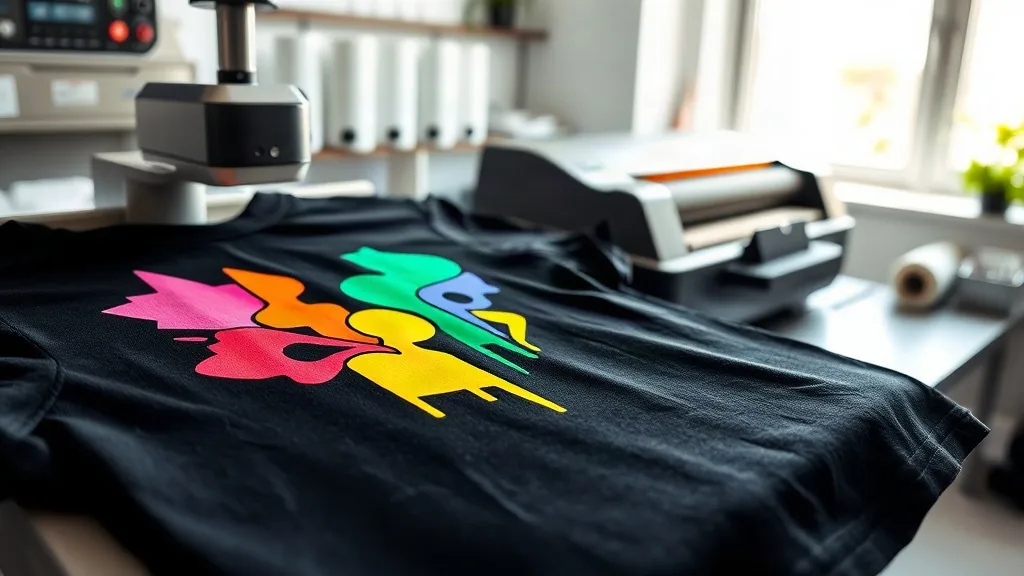
Imagine pressing a vibrant, full-color design onto a cotton t-shirt in minutes, without the hassle of weeding or the limitations of traditional heat transfer vinyl. That's the promise of dtf printing, a digital transfer technology that has taken the custom apparel world by storm. Whether you're a small business owner, a hobbyist, or a professional decorator, understanding dtf transfers can open up a world of possibilities for your creations.
In this guide, we'll dive deep into what DTF transfers are, how they work, and why they might be the perfect solution for your next project. We'll also share practical tips to help you achieve professional-grade results every time.
What Are DTF Transfers?
DTF stands for Direct to Film. It's a printing method where your design is printed onto a special film, coated with a powder adhesive, and then heat-pressed onto the fabric. Unlike DTG (Direct to Garment) printing, which prints directly onto the garment, DTF transfers allow you to print on a wide range of materials, including cotton, polyester, blends, and even leather. The process is straightforward: print, powder, cure, and press.
The magic of DTF lies in its versatility. You can produce intricate, multi-color designs without the constraints of screen printing or vinyl cutting. The transfers are durable, stretchable, and soft to the touch, making them ideal for everything from t-shirts and hoodies to tote bags and caps.
How DTF Transfers Work: Step by Step
Understanding the DTF process helps you troubleshoot issues and optimize your results. Here's a breakdown of the key steps:
- Design Preparation: Create your artwork in a graphics program, ensuring it's mirrored if necessary. DTF printers use CMYK plus white ink, so vibrant colors are achievable.
- Printing: The design is printed onto a PET film using a DTF printer. The printer lays down a layer of white ink first, followed by the color layers. This white base ensures opacity on dark fabrics.
- Powdering: While the ink is still wet, a fine thermoplastic powder is applied evenly over the print. The powder sticks to the wet ink.
- Curing: The film goes through a curing oven or heat press to melt the powder, creating a flexible, adhesive layer.
- Pressing: The transfer is placed on the garment and pressed with a heat press at specific temperature, pressure, and time. After cooling, the film is peeled away, leaving the design bonded to the fabric.
Each step requires attention to detail, but once mastered, the process is efficient and repeatable.
Why Choose DTF Transfers?
There are several compelling reasons to incorporate DTF into your workflow:
- Fabric Flexibility: Works on cotton, polyester, blends, and more, unlike some other methods that require specific fabric types.
- No Weeding: Say goodbye to the tedious task of weeding vinyl. DTF saves time and reduces waste.
- Vibrant Colors: Achieve photo-realistic, full-color designs with fine details.
- Durability: When applied correctly, DTF transfers withstand repeated washing without cracking or fading.
- Cost-Effective for Short Runs: Ideal for small batches and personalized items, with no minimum order quantity.
These benefits make dtf transfers a popular choice for custom apparel businesses and DIY enthusiasts alike.
DTF vs. Other Printing Methods
How does DTF stack up against DTG, screen printing, and heat transfer vinyl (HTV)?
DTF vs. DTG
DTG prints directly onto the garment, which limits it mostly to cotton fabrics. DTF, on the other hand, can be used on a wider range of materials and often produces more vibrant colors on dark garments due to the white ink base. DTF also doesn't require pre-treatment, which is a common step in DTG.
DTF vs. Screen Printing
Screen printing is cost-effective for large orders but requires setup and is impractical for complex, multi-color designs. DTF excels in short runs and detailed artwork, with no setup costs.
DTF vs. HTV
HTV requires weeding and layering for multi-color designs, which is time-consuming. DTF allows you to print the entire design in one go, including gradients and fine lines, and then press it in a single step.
Tips for Perfect DTF Transfers
To get the best results from your DTF transfers, follow these expert tips:
- Choose Quality Supplies: Use reputable DTF film, powder, and ink. Cheap materials can lead to poor adhesion and dull colors.
- Control Moisture: Fabric should be dry before pressing. Moisture can cause the transfer to peel or bubble.
- Pre-Press Garments: This removes wrinkles and moisture, ensuring a smooth surface for the transfer.
- Follow Press Parameters: Each transfer type has recommended temperature, pressure, and time. Typically, 325°F (160°C) for 15 seconds with medium pressure, but always check your supplier's guidelines.
- Peel Correctly: Most DTF transfers are cold peel. Wait for the transfer to cool completely before peeling the film for a matte finish. Hot peel can be done immediately but may affect texture.
- Post-Press for Durability: After peeling, press again for a few seconds with a cover sheet to enhance wash durability.
These practices will help you achieve professional-looking results consistently.
Common Mistakes to Avoid
Even experienced crafters can run into issues. Here are some pitfalls to watch out for:
- Insufficient Pressure: Without enough pressure, the transfer won't adhere properly, leading to premature peeling.
- Wrong Temperature: Too hot and the film may scorch; too cold and the adhesive won't activate.
- Not Pre-Pressing: Skipping this step can result in uneven transfer and poor adhesion.
- Using the Wrong Powder: Not all powders are created equal. Use DTF-specific adhesive powder for best results.
- Peeling Too Soon or Too Late: Follow the recommended peel method for your specific transfer.
By avoiding these mistakes, you'll save time and materials.
Applications of DTF Transfers
DTF transfers are incredibly versatile. They are used for:
- Custom t-shirts, hoodies, and sweatshirts
- Sportswear and team uniforms
- Tote bags and accessories
- Corporate apparel and promotional items
- Personalized gifts
Whether you're decorating a single item or a batch, DTF delivers consistent quality.
Frequently Asked Questions
What fabrics can I use with DTF transfers?
DTF transfers work on a wide range of fabrics, including cotton, polyester, cotton-poly blends, nylon, leather, and even some synthetic materials. They are particularly effective on dark colors because of the white ink base.
How durable are DTF transfers?
When applied correctly, DTF transfers are highly durable. They can withstand repeated washing (typically 50+ washes) without cracking, peeling, or fading. Proper application and following care instructions are key.
Do I need a special printer for DTF?
Yes, DTF printing requires a DTF printer that uses DTF inks and can handle PET film. However, you can also purchase pre-printed DTF transfers from suppliers and apply them with a standard heat press.
Can I layer DTF transfers?
Yes, you can layer DTF transfers, but it's generally not necessary since DTF can print multi-color designs in one go. If you do layer, press each layer separately and ensure proper adhesion.
What is the shelf life of DTF transfers?
Unused DTF transfers can last up to 6 months to a year if stored properly in a cool, dry place away from direct sunlight. Always check with your supplier for specific recommendations.
With this knowledge, you're ready to explore the world of DTF transfers. Whether you're upgrading your business or starting a new hobby, DTF offers a flexible, vibrant, and durable solution for all your custom apparel needs.