
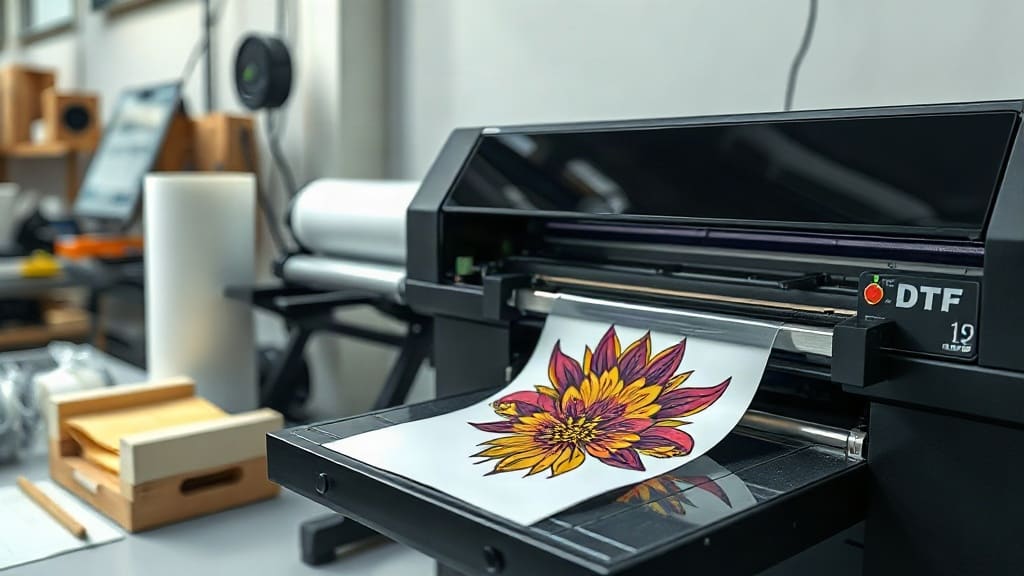
DTF transfers have revolutionized the custom apparel industry, offering a versatile and cost-effective solution for printing vibrant designs on various fabrics. Whether you're a small business owner, a print shop professional, or a DIY enthusiast, understanding this technology can elevate your printing game. In this comprehensive guide, we'll explore what DTF transfers are, how they're made, their advantages over other methods, and practical tips for achieving flawless results.
What Are DTF Transfers?
DTF stands for Direct to Film. It's a printing method where a design is printed onto a special PET film using a DTF printer, then coated with adhesive powder and cured. The resulting transfer is then heat pressed onto a garment. Unlike traditional screen printing or vinyl, DTF transfers allow for intricate, full-color designs without the need for separations or weeding.
How DTF Transfers Are Made
The process begins with a digital design that is printed onto a clear PET film using specialized DTF printers and inks. After printing, a hot-melt adhesive powder is applied to the wet ink while it's still tacky. The film is then passed through a dryer to melt the powder, creating a strong bond. This pre-made transfer can be stored and applied later, making it convenient for on-demand printing.
Advantages of DTF Transfers
Why have DTF transfers become so popular? Here are key benefits:
- Versatility: They adhere well to cotton, polyester, blends, and even hard surfaces like ceramics.
- Durability: DTF prints withstand repeated washing without cracking or fading.
- Cost-Effective: No minimum order quantities, making them ideal for small batches.
- Vibrant Colors: Since DTF uses high-resolution inkjet printing, designs are sharp and colorful.
- Ease of Use: No weeding or complex setup, perfect for beginners.
- Texture: The finish is soft to the touch, unlike thick vinyl.
DTF Transfers vs. Other Printing Methods
To understand the value of DTF transfers, compare them with other popular methods.
DTF vs. Screen Printing
Screen printing is excellent for large runs and simple designs, but it requires significant setup and is less economical for small quantities. DTF transfers offer more flexibility and are easier to produce, especially for detailed graphics.
DTF vs. DTG
Direct-to-garment (DTG) printing is similar but prints directly onto the shirt. DTF transfers have an edge because they can be applied to non-cotton fabrics that DTG struggles with, and they allow for printing on multiple items with the same transfer.
DTF vs. Vinyl
Vinyl is limited to cut designs and is time-consuming to weed. DTF transfers can replicate photographic images and gradients effortlessly, offering a superior aesthetic.
How to Use DTF Transfers
Applying DTF transfers is straightforward. Here's a step-by-step guide:
- Preheat the heat press to around 320°F (160°C).
- Place the garment on the press and press briefly to remove wrinkles.
- Position the DTF transfer face down on the garment.
- Press with firm pressure for 15-20 seconds.
- Peel the film either hot or cold, depending on the manufacturer's instructions.
- Optionally, press again with a silicone sheet to ensure full adhesion.
For best results, use a heat press rather than a home iron, as consistent pressure and temperature are crucial.
Tips for Perfect DTF Transfers
To get the best outcomes, consider these pro tips:
- Always use a quality DTF film and powder from reputable suppliers.
- Calibrate your printer regularly to avoid banding or color shifts.
- Shake the adhesive powder well before applying to ensure even coating.
- Test on a sample fabric before committing to a full run.
- Store unused transfers in a cool, dry place to prevent degradation.
- Wash garments inside out in cold water to extend the life of the print.
Common Mistakes to Avoid
Even experienced printers can make errors. Watch out for these pitfalls:
- Not pre-pressing the garment, which can cause wrinkles or moisture to interfere.
- Using too much or too little pressure during the heat press.
- Peeling the film too fast or too slow, which can cause adhesive failure.
- Choosing low-quality materials that lead to cracking or peeling.
- Ignoring the recommended temperature and time settings.
Applications of DTF Transfers
DTF transfers are used across various industries. Custom apparel brands use them for t-shirts, hoodies, and caps. Sports teams appreciate their durability. Promotional product companies apply them to tote bags and mouse pads. Even home decor items like pillows and blankets can be personalized.
Environmental Considerations
As with any printing process, DTF transfers have an environmental footprint. The PET film is single-use, and the adhesive powder may contain chemicals. However, many manufacturers are developing compostable films and eco-friendly powders. When sourcing, look for environmentally conscious suppliers.
Conclusion
DTF transfers offer a perfect blend of versatility, quality, and simplicity. Whether you're starting a printing business or looking to upgrade your current processes, adopting DTF technology can open new opportunities. By following the guidelines in this article, you'll be well-equipped to create stunning, durable prints that impress customers and stand the test of time.
Frequently Asked Questions (FAQ)
What is the difference between DTF and DTG printing?
DTF printing involves creating a transfer on film that is later pressed onto the fabric, while DTG prints directly onto the garment. DTF transfers work on a wider range of fabrics, including polyester, and offer the ability to print on demand without pre-treatment.
How long do DTF transfers last?
With proper application and care, DTF transfers can last for many washes, often exceeding 50 washes without significant fading or cracking. The durability depends on the quality of materials and the pressing process.
Can DTF transfers be used on dark fabrics?
Yes, DTF transfers are excellent for dark fabrics. The white toner or base layer ensures that colors remain vibrant, and the adhesive powder bonds well with dark materials.
What is the best temperature for pressing DTF transfers?
The recommended temperature is typically between 300°F and 320°F (150°C to 160°C). Always check the specific instructions from your film supplier, as different products may have slightly different requirements.
Are DTF transfers cost-effective for small orders?
Absolutely. Since there are no setup fees and no minimum quantity, DTF transfers are perfect for one-off prints, samples, and small batches. You only pay for the materials used.