
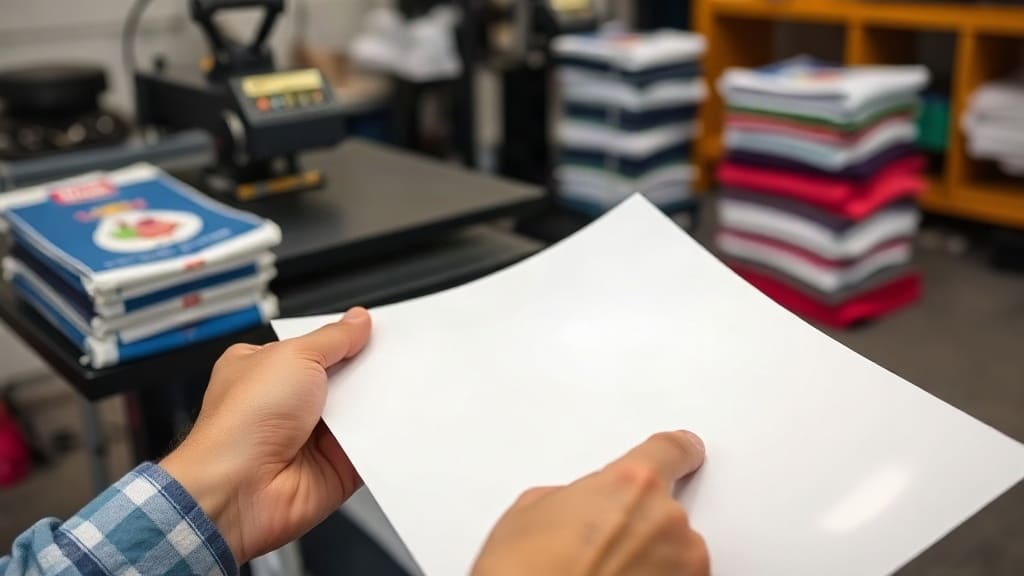
If you're searching for DTF printing services, you've likely realized that not all providers are created equal. Direct to film (DTF) has become a popular method for custom apparel because it offers vibrant colors, excellent durability, and works on a variety of fabrics. But when you search for DTF transfers near me, you might find many options, each claiming to be the best. How do you choose? In this guide, I'll share what I've learned from working with DTF suppliers and from my own testing, so you can make an informed decision and avoid common pitfalls.
Understanding DTF Transfers: What to Look For
DTF transfers are produced by printing your design onto a special PET film, applying adhesive powder, and then curing the film so that the adhesive bonds with the ink. Later, this transfer is applied to fabric using a heat press. The result is a soft, stretchy, and durable print that can be used on cotton, polyester, blends, and even harder surfaces like mugs or caps.
When you're looking for a provider, you need to ensure they use high-quality materials and have the right equipment. A great transfer starts with the film, ink, and adhesive. If any of these are subpar, your final prints will crack, peel, or fade quickly. I've seen many people get excited about cheap DTF transfers, only to be disappointed after a few washes.
How to Search for DTF Transfers Near Me
When you type "DTF transfers near me" into a search engine, you'll get a list of local businesses. But how do you know which one is reliable? Here are some steps to narrow down your options:
- Check their website and social media for examples of their work. Look for high-resolution photos of actual transfers and finished products.
- Read reviews on Google, Yelp, or Facebook. Pay attention to comments about print quality, durability, and customer service.
- Ask about their turnaround time and whether they offer rush orders if you need them.
- Inquire about their minimum order quantities. Some providers require a minimum, which might be too high if you're just testing.
I remember when I first started looking for a DTF supplier, I visited a local shop that had great reviews. But when I saw their transfers, the colors were dull and the adhesive was patchy. I decided to ask them about their equipment and they admitted they used a cheap Chinese printer. I walked away and found another provider that used Epson printers with genuine DTF inks. That made a huge difference.
Key Factors to Evaluate in a DTF Transfer Provider
Not all DTF transfers are printed the same. Here are the critical aspects to consider before making your choice:
Print Quality
The sharpness and color accuracy of your design depend on the printer's resolution and the skill of the operator. Ask for samples or order a test transfer. A reputable provider will often provide a free test print or a low-cost sample. Check if the white underbase is opaque enough, especially for dark garments. Also, ensure that fine details and text are crisp.
Adhesive Powder and Film
The adhesive powder should be evenly applied and of high quality. If it's not, you might get poor adhesion or a rough texture. Good film ensures that the transfer releases cleanly from the carrier sheet. You can test this by applying a transfer and then washing it multiple times. A good transfer should survive at least 20 washes without cracking or fading.
Ink and Durability
DTF inks are typically water-based pigment inks. They should be vibrant and flexible. Ask the provider what brand of ink they use. Some inks are more prone to fading when exposed to sunlight. If your garments will be worn outdoors, you need inks with high UV resistance. The provider should also know how to properly cure the ink and adhesive so that it bonds well.
Equipment and Experience
Professional DTF printers are not cheap, and they require regular maintenance. A provider that invests in quality equipment usually takes their craft seriously. Look for signs like a climate-controlled printing environment, which is essential for consistent results. Also, consider their experience. A provider who has been in the business for years is more likely to handle tricky designs and materials.
Common Mistakes to Avoid When Choosing a DTF Provider
Through my own trials and conversations with other business owners, I've identified several common mistakes people make when they search for DTF transfers near me:
- Choosing the cheapest option without checking quality. Price is important, but not at the expense of durability.
- Not asking about the film size. Some providers only offer standard sizes, which may not suit your needs. Custom sizes might be available, but they often cost more.
- Ignoring the type of adhesive. Some adhesives work better on certain fabrics. For example, a high-tack adhesive is needed for performance fabrics like those used in sports jerseys.
- Overlooking the importance of a good RIP software. This software controls color management and print head alignment. A provider that doesn't use proper RIP software might have banding or color mismatches.
I once ordered a batch of transfers from a local provider who had a great price, but the transfers were misaligned, and the colors looked washed out. When I contacted them, they said it was a printer issue and they would reprint. While they did fix it, the delay cost me a client. So, it's essential to test small before committing to large orders.
How to Test a Potential DTF Provider
The best way to know if a provider is right for you is to run a small test. Here's a step-by-step approach:
- Order a sample pack that includes various types of designs: solid colors, gradients, fine text, and a photo-like image.
- Apply the transfers to different fabrics: cotton, polyester, and a 50/50 blend.
- Wash the garments according to care instructions several times. Look for any cracking, peeling, or fading.
- Stretch the prints to check flexibility. Good DTF transfers should stretch with the fabric without breaking.
By doing this, you'll have a clear idea of the provider's quality. I also recommend asking about their returns policy if the transfers are defective. A reliable provider will stand behind their product.
What to Expect from a Professional DTF Service
When you find a reputable provider, you should expect clear communication, reasonable turnaround times, and consistent results. They should provide a proof of your design before printing, especially if you're ordering in bulk. They should also offer guidance on artwork preparation, such as file formats and color modes.
Most professional providers will also offer additional services like cutting, weeding, or even pressing. If you don't have a heat press, some places offer pressing services as well. However, if you plan to do the pressing yourself, ask for detailed instructions on temperature, pressure, and time. Getting these right is crucial for the transfer to adhere correctly.
I've learned that a provider that is willing to educate you is likely to be more invested in your success. They want you to get the best results so that you'll come back for more. That's a good sign.
DTF vs. Other Transfer Methods
Why choose DTF over alternatives like screen printing or vinyl? DTF transfers offer several advantages:
- No minimum order quantities: you can order even a single transfer.
- No weeding: unlike vinyl, DTF does not require manual weeding, saving time.
- Soft hand feel: the final print is soft and flexible, not stiff like some vinyl.
- Versatility: DTF works on a wide range of fabrics, including performance wear.
- Color vibrancy: especially on dark colors, DTF prints are vivid and opaque.
However, DTF might not be the best for every application. For very large orders, screen printing may be more cost-effective. And for simple one-color logos, vinyl might be quicker. But for small to medium runs with complex designs, DTF is often the winner.
Cost Considerations for DTF Transfers
The cost of DTF transfers varies based on size, quantity, colors, and whether you need a white underbase. On average, you can expect to pay between $1 to $5 per transfer for small to medium sizes. But don't just look at the unit price. Consider the total cost of ownership, including shipping, setup fees, and any rush charges.
One way to save money is to optimize your artwork. Use a limited number of colors, as some providers charge per color. Also, group your transfers by size to get volume discounts. Another tip is to order in bulk, even if you don't have immediate orders, as long as your designs are timeless.
Be wary of providers that offer extremely low prices. They might be using low-quality materials or cutting corners on curing. In the long run, such transfers will cost you more due to returns and lost customers.
Environmental and Ethical Considerations
As we become more aware of our impact on the environment, it's worth asking about the sustainability practices of your DTF provider. DTF printing uses water-based inks, which are more eco-friendly than plastisol inks used in screen printing. However, the PET film is plastic, and the adhesive powder may contain microplastics. Some providers offer biodegradable or recyclable films, but they are rare.
If sustainability is important to you, ask about their waste management and whether they recycle film scraps. Some providers have programs to recycle used film into new products. Also, consider the durability of the print: if it lasts longer, you'll replace garments less often, reducing waste.
Frequently Asked Questions About DTF Transfers
How long do DTF transfers last?
With proper application and care, DTF transfers can last for many washes. On average, they can withstand 30 to 50 wash cycles without significant fading or cracking. However, the lifespan depends on the quality of the transfer, the fabric, and how you wash and dry the garment. To extend the life, wash in cold water, turn the garment inside out, and avoid high heat in the dryer.
Can I use DTF transfers on any fabric?
DTF transfers work best on cotton, polyester, and blends. They also adhere well to performance fabrics like nylon and spandex, but you may need a special adhesive for high-stretch fabrics. For very textured materials like fleece or terry cloth, you might need to adjust the pressing time and temperature. Always test on a small area first.
What equipment do I need to apply DTF transfers?
To apply DTF transfers, you need a heat press. A clamshell or swing-away press with adjustable temperature and pressure is suitable. You'll also need a non-stick Teflon sheet to protect the transfer and garment. The recommended temperature is usually around 320°F (160°C), with medium to firm pressure, for 10 to 15 seconds. But always follow the provider's instructions.
Can I order DTF transfers in small quantities?
Yes, one of the main advantages of DTF is that there is no minimum order. Many providers allow you to order a single transfer, which is perfect for samples or small personal projects. However, some may have a minimum charge to cover setup, so check with the provider.
What is the turnaround time for DTF transfers?
Turnaround times vary depending on the provider's workload. Usually, it takes 2 to 5 business days to produce and ship your order. If you need rush service, many providers offer it for an extra fee. It's always best to plan ahead and place your orders early, especially during peak seasons like holidays.
Final Thoughts on Finding DTF Transfers Near You
Finding a reliable provider for DTF transfers doesn't have to be a gamble. By doing your homework and testing samples, you can identify a partner that delivers high-quality, durable prints. Remember, the cheapest option isn't always the best value. Look for a provider that uses premium materials, has good customer support, and offers consistent results.
I hope this guide helps you in your search for DTF transfers near me. If you have any questions, don't hesitate to reach out to your local providers and ask for samples. Happy printing!