
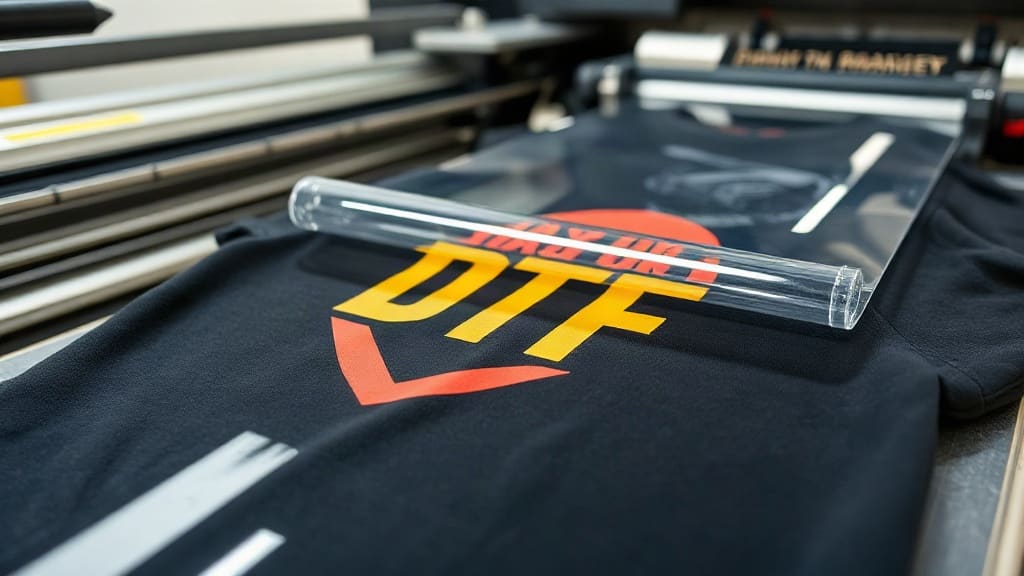
When you're searching for DTF transfers near me, you want a supplier that delivers vibrant prints, durable results, and fast turnaround. But finding the right local printer involves more than just picking the first name that pops up. Many small businesses and print-on-demand sellers have learned the hard way that not all DTF transfers are created equal. In this guide, I'll walk you through how to evaluate local DTF providers, what to look for in their samples, and how to avoid common pitfalls that cost time and money.
Why Local DTF Transfers Are Worth It
Ordering from a local DTF transfer service has several advantages. You can inspect physical samples before committing to a bulk order, communicate directly if issues arise, and often enjoy quicker shipping times. Local suppliers also tend to be more flexible with custom requests. However, proximity alone doesn't guarantee quality. You need to check their expertise, equipment, and materials.
What to Look for in a DTF Transfer Supplier
Before you settle on any DTF transfers near me, make sure the supplier meets these criteria:
- Experience and reputation: Look for reviews from other local businesses or online communities. A provider with years in the industry likely has refined their processes.
- White ink quality: The key to DTF is a thick, opaque white base. Ask about their white ink coverage and check if it holds up on dark fabrics.
- Transfer film and powder: High-quality film and adhesive powder ensure the transfer won't crack or peel after washing. Ask what brands they use.
- Color management: Do they calibrate their printers? Ask for a color profile or test print to see how accurately they reproduce your design's colors.
- Turnaround time: Local doesn't always mean fast. Clarify their standard turnaround and if they offer rush options.
How to Test Their Quality with Sample Orders
Ordering a sample is the best way to judge a DTF transfer service. Here's a practical approach:
- Create a test design that includes fine details, gradients, and text. This reveals how well they handle complexity.
- Ask for prints on both light and dark fabrics to see the white ink opacity.
- Wash test: Wash a sample several times to check for cracking, fading, or peeling.
- Stretch test: Stretch the transfer area to ensure it doesn't crack or lose adhesion.
If a local supplier refuses to provide samples, consider that a red flag. Most reputable businesses are happy to show their work.
Common Mistakes When Ordering DTF Transfers
Even when you find a good local printer, mistakes can happen if you don't communicate clearly. Here are the most frequent errors I've seen:
- Not providing print-ready files: Make sure your images are high-resolution (300 DPI) and in CMYK or RGB as the printer specifies.
- Ignoring size specifications: DTF transfers are optimized for certain sizes. Too large or too small can cause issues. Ask for their recommended sizing.
- Skipping proof approval: Always request a digital proof before mass printing. This catches color shifts and layout errors.
- Forgetting to mention garment type: Different fabrics (cotton, polyester, blends) affect how the transfer adheres. Tell them what you'll be printing on.
Comparing Prices vs. Value
When you search for DTF transfers near me, you'll find a range of prices. It's tempting to go with the cheapest option, but consider the long-term value. Cheap transfers may crack after a few washes, leading to customer complaints and reprints. Compare the total cost per transfer, including any setup fees, and weigh that against the quality you receive. Often, paying a bit more upfront saves you money and reputation in the long run.
Questions to Ask Before Placing an Order
To ensure a smooth experience, ask these specific questions:
- What type of DTF printer and inks do you use?
- Can you provide a reference list of other local businesses?
- What is your standard turnaround time?
- Do you offer bulk discounts?
- What is your policy on reorders and color matching?
Building a Long-Term Relationship with Your DTF Supplier
Once you find a reliable local DTF transfer provider, nurture that relationship. Order consistently, give feedback on samples, and stay updated on their new capabilities. Loyalty can lead to better pricing, priority service, and insider tips on new techniques. In the fast-paced world of custom apparel, having a trusted partner nearby is a competitive advantage.
FAQ
How do I find the best DTF transfers near me?
The best way is to search online, check reviews, and ask for samples from at least three different suppliers. Compare their quality, pricing, and customer service. Also, ask local print shops for recommendations.
What is the turnaround time for local DTF transfers?
Turnaround typically ranges from 24 hours to a week, depending on the supplier and order size. Local businesses often offer faster shipping, but production time can vary. Always ask for a specific delivery date before ordering.
Can I order DTF transfers in small quantities?
Many local DTF services accept small orders, even one-off transfers. However, some may have minimum quantities to make production cost-effective. Ask about their minimum order requirements.
Are DTF transfers durable for frequent washing?
When made with high-quality materials and properly cured, DTF transfers can withstand many washes without cracking or fading. Always follow the care instructions, and test samples on the actual garments you'll use.
How much do DTF transfers cost locally?
Pricing varies based on size, quantity, and design complexity. On average, a standard 10x10 inch transfer might cost between $1.50 and $4.00 each, but bulk orders lower the per-unit price. Get quotes from multiple local suppliers for the best deal.
Finding the right DTF transfers near me is about more than just proximity. It's about partnering with a supplier who understands your needs and delivers consistent quality. Use these tips to make an informed choice, and you'll create products that your customers will love.