
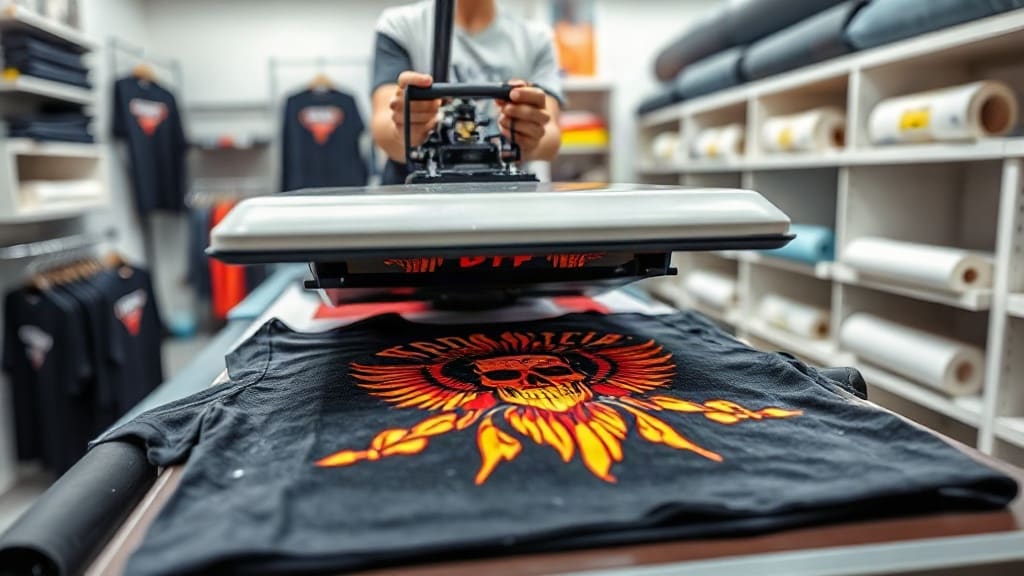
If you're in the custom apparel business, you've likely heard about DTF transfers. This printing method has taken the industry by storm, offering a versatile and vibrant way to decorate garments. In this guide, I'll walk you through everything you need to know about DTF transfers, from the basics to advanced tips. Whether you're a beginner or a seasoned pro, you'll find valuable insights to elevate your printing game.
What Are DTF Transfers?
DTF stands for Direct to Film. It's a printing process where a design is printed onto a special film, coated with adhesive powder, and then heat-pressed onto fabric. Unlike traditional screen printing, DTF doesn't require screens or complex setup, making it perfect for small runs and detailed designs. The result is a soft, durable print that works on cotton, polyester, blends, and even hard surfaces like mugs.
How DTF Transfers Work: The Process Explained
The DTF process is straightforward, but it involves precise steps to achieve professional results. Here's a breakdown:
- Design and Print: Create your design using graphic software and print it onto a DTF film using a specialized printer with DTF inks (usually CMYK plus white).
- Adhesive Powder: While the ink is still wet, cover the printed film with DTF adhesive powder. Shake off the excess and ensure an even coat.
- Heat Curing: Melt the powder using a heat source (like an oven or heat press) to activate the adhesive. This creates a sticky layer that bonds with fabric.
- Press and Peel: Place the film on your garment, apply heat and pressure with a heat press, then peel the film away. The design transfers onto the fabric.
- Post-Press: For extra durability, cover the transferred design with a Teflon sheet and press again briefly.
Advantages of DTF Transfers Over Other Methods
Why are DTF transfers so popular? Here are the key benefits:
- Versatility: Works on a wide range of fabrics, including 100% cotton, polyester, and blends.
- No Screen Setup: Perfect for small orders and intricate designs with gradients and photorealistic details.
- Soft Hand Feel: The print is thin and flexible, especially when using high-quality materials.
- Durability: With proper application, DTF transfers can withstand repeated washing without cracking or fading.
- Cost-Effective for Short Runs: No minimum order quantities, making it ideal for personalized items.
How to Apply DTF Transfers: A Step-by-Step Guide
Applying DTF transfers correctly is crucial for a flawless finish. Here's my tried-and-true method:
Materials Needed
- DTF transfer film (pre-printed)
- Heat press
- Teflon sheet or parchment paper
- Garment (pre-washed and dried)
Step 1: Preheat the Garment
Set your heat press to 300°F (150°C) and pre-press the garment for 3-5 seconds. This removes moisture and wrinkles.
Step 2: Position the Transfer
Place the DTF transfer on the garment, ensuring the printed side is down. Make sure it's centered and straight.
Step 3: Press
Press with medium pressure for 10-15 seconds. The time may vary based on your heat press and fabric type. Always test on a scrap piece first.
Step 4: Hot Peel or Cold Peel?
Most DTF transfers require a hot peel. Peel the film immediately after pressing while it's still hot. If the transfer is not fully adhered, you can press again for a few more seconds.
Step 5: Post-Press
Place a Teflon sheet over the design and press for another 5 seconds. This ensures the adhesive is fully cured and the print is smooth.
Choosing the Right DTF Transfer Supplier
Not all DTF transfers are created equal. When selecting a supplier, consider these factors:
- Print Quality: Look for vibrant colors, sharp details, and proper white underbase.
- Film Quality: A good film should be smooth, not too thick, and easy to peel.
- Adhesive Powder: High-quality powder ensures a strong bond.
- Customer Reviews: Check testimonials and samples.
At DTF Classic, we pride ourselves on delivering top-notch transfers. Our films are designed for ease of use and durability, and we offer custom sizing and bulk discounts.
Common Mistakes to Avoid When Using DTF Transfers
Even experienced printers can make errors. Here are common pitfalls and how to avoid them:
- Incorrect Press Settings: Too little heat or pressure leads to poor adhesion. Too much can cause scorching.
- Peeling Too Early or Late: Follow the supplier's instructions. Most require a hot peel, but some are cold peel.
- Not Using a Teflon Sheet: This can cause the transfer to stick to the heat press or create unwanted shine.
- Over-stretching the Garment: When pressing, avoid pulling the fabric, which can distort the design.
DTF Transfers vs. Sublimation vs. Screen Printing
Understanding the differences helps you choose the right method for your project.
Sublimation works only on polyester and light-colored fabrics. It dyes the fabric, so the design is permanent and doesn't crack. However, it's not suitable for cotton.
Screen printing is cost-effective for large quantities, but the setup cost is high, and it struggles with intricate details and gradients.
DTF transfers offer the perfect balance: you get the detail and color of digital printing, the versatility to print on various fabrics, and the ease of on-demand production. Plus, the print is stretchy and breathable, making it great for activewear.
Caring for DTF Printed Garments
To ensure your DTF prints last, follow these care instructions:
- Wash inside out in cold water.
- Avoid chlorine bleach.
- Tumble dry low or hang dry.
- Do not iron directly on the design; use a cloth.
By following these steps, your custom apparel will look great for years.
Costs and Profitability
One of the biggest advantages of DTF transfers is cost-effectiveness for small orders. You can start with a low investment if you purchase transfers from a supplier. For a t-shirt, the cost of a DTF transfer (including film, ink, and powder) is around $1-3, depending on size. When you sell the shirt for $20-30, your profit margin is excellent.
If you're considering printing your own DTF transfers, the initial setup includes a DTF printer, which can cost between $3,000 and $10,000. However, the long-term savings are significant for high-volume production.
Frequently Asked Questions
Can DTF transfers be used on dark-colored garments?
Yes, DTF transfers are perfect for dark garments because the white ink layer acts as an underbase, ensuring colors stay vibrant.
How many washes do DTF transfers withstand?
With proper application and care, DTF transfers can withstand 50 or more washes. The key is to use quality materials and follow the pressing instructions.
Do DTF transfers work on materials other than fabric?
Absolutely! DTF transfers can be applied to hard surfaces like mugs, wood, and even phone cases using a heat press designed for such items.
What is the difference between DTF and DTG printing?
DTG (Direct to Garment) prints directly onto the garment, while DTF prints onto a film that is then transferred. DTF is often more versatile for different fabric types and allows for easier bulk production.
Can I reuse the DTF film?
No, the film is single-use. However, you can print multiple designs on one sheet and cut them out.
Final Thoughts
DTF transfers have revolutionized custom apparel printing. They offer an unbeatable combination of quality, versatility, and cost-effectiveness. Whether you're starting a small business or looking to expand your product line, DTF is a smart choice. With the right techniques and a reliable supplier, you'll create stunning, durable prints that your customers will love.
If you're ready to try DTF transfers for your next project, check out our selection at DTF Classic. We offer custom sizes, fast shipping, and top-notch quality. Happy printing!