
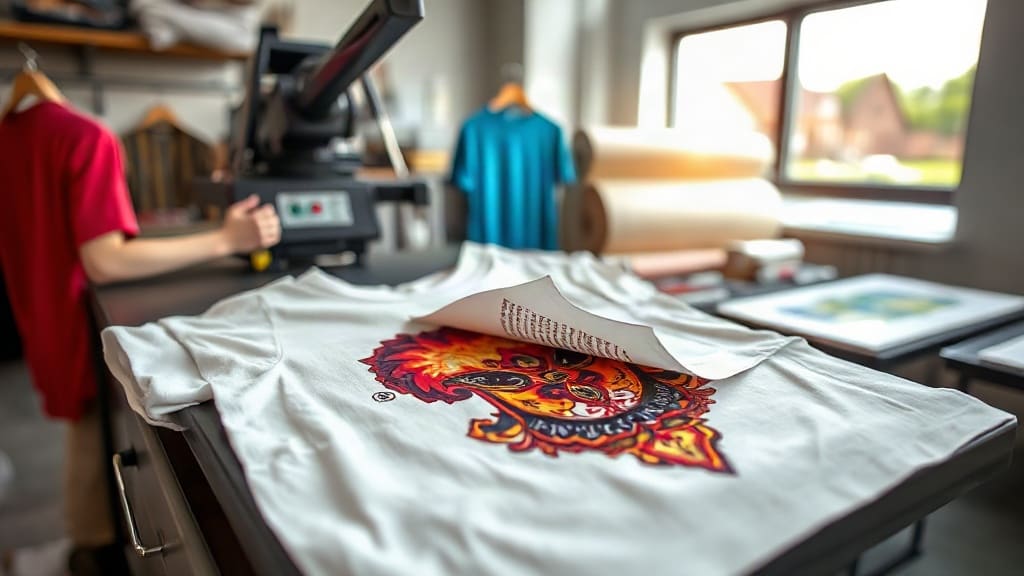
If you're in the custom apparel business or just love creating your own shirts, you've likely heard about dtf. This printing method has taken the industry by storm, offering a versatile and cost-effective way to produce vivid designs on various fabrics. Whether you're a small business owner or a hobbyist, understanding dtf transfers can open up a world of possibilities. In this guide, we'll dive deep into what these transfers are, how they work, and why they might be the perfect solution for your next project. Plus, we'll share tips on finding the best dtf transfers near me, so you can get started right away.
What Are DTF Transfers?
DTF stands for Direct to Film. It's a printing technique where a design is printed onto a special film, coated with adhesive powder, and then heat-pressed onto a garment. Unlike traditional screen printing, which requires screens for each color, dtf allows for full-color prints with intricate details and gradients without extra setup costs. The result is a soft, durable print that can be applied to cotton, polyester, blends, and even hard surfaces like mugs or tote bags.
The process begins with a digital design, which is printed onto a PET film using specialized dtf printers and inks. After printing, a hot-melt adhesive powder is applied to the wet ink. The film is then dried and cured, ready for transfer. When you're ready to apply it, you simply place the film on the garment, apply heat and pressure with a heat press, and peel away the film. The design adheres to the fabric, leaving a vibrant, flexible print.
How DTF Transfers Compare to Other Methods
To truly appreciate dtf transfers, it helps to see how they stack up against other popular printing methods like screen printing, heat transfer vinyl (HTV), and sublimation.
Screen Printing
Screen printing is great for large orders with simple designs, but it has significant setup costs and isn't practical for small quantities or highly detailed artwork. DTF transfers, on the other hand, have no setup fees, making them ideal for one-off prints or small batches. Plus, they can reproduce complex designs with ease, including photographic images and fine lines.
Heat Transfer Vinyl (HTV)
HTV is popular for its simplicity, but it's limited to solid colors and requires weeding out excess material. This makes it time-consuming for detailed designs. DTF transfers eliminate the need for weeding entirely. The printer does all the work, and you get a full-color transfer ready to press. This saves you hours of labor and allows for more creativity.
Sublimation
Sublimation works wonders on polyester, but it won't show up on dark cotton fabrics. DTF transfers can be applied to both light and dark garments, regardless of fiber content. This versatility makes dtf a more flexible option for businesses that work with a variety of apparel.
Why Choose DTF Transfers?
There are many reasons why dtf transfers have become a favorite among printers and DIY enthusiasts.
- Cost-Effective: No minimum order quantities or expensive screens. You can print a single shirt or a hundred, and the cost per transfer remains reasonable.
- High Quality: The prints are sharp, vibrant, and have a soft hand feel. They don't crack or fade easily, even after multiple washes.
- Versatility: Works on a wide range of fabrics, including cotton, polyester, nylon, and blends. You can also transfer to non-fabric items like mouse pads or wooden signs.
- Easy to Use: With a heat press and a few simple steps, anyone can apply dtf transfers. It's perfect for small businesses that want to expand their product line without investing in complex equipment.
- Quick Turnaround: Since there's no setup time, you can produce transfers on demand. This is excellent for last-minute orders or personalized gifts.
How to Apply DTF Transfers: Step-by-Step
Applying dtf transfers is straightforward, but following the right steps ensures a flawless result.
What You'll Need
- Heat press (or a household iron for small projects)
- Teflon sheet or parchment paper
- The dtf transfer film
- A clean, flat surface
The Process
- Preheat your heat press to around 160°C (320°F). The exact temperature may vary based on the film manufacturer, so always check the instructions.
- Place your garment on the press and pre-press it for a few seconds to remove wrinkles and moisture.
- Position the dtf transfer with the printed side facing down on the garment.
- Cover with a Teflon sheet to protect the film and fabric.
- Press with medium to firm pressure for about 15 seconds. Don't shift the film during pressing.
- While the film is still hot, peel it off gently. For some films, you might need to wait a moment before peeling. Check the manufacturer's guide.
- If any areas didn't adhere fully, you can re-press with a new sheet of parchment paper for a few more seconds.
Tips for Perfect DTF Transfers Every Time
To get the best results from your dtf transfers, keep these pro tips in mind:
- Use a Quality Heat Press: A reliable heat press ensures even temperature and pressure. Inconsistent heat can cause poor adhesion.
- Test on Scrap Fabric: Before pressing your final garment, do a test run on a similar fabric to dial in your settings.
- Keep the Film Clean: Dust or fingerprints on the adhesive side can affect the transfer. Handle the film by the edges.
- Store Transfer Films Properly: Keep them in a cool, dry place away from direct sunlight to prevent adhesive degradation.
- Pre-Press Dark Garments: For dark shirts, a longer pre-press helps remove moisture and prevents ghosting.
How to Source DTF Transfers Near You
If you're looking to get dtf transfers without investing in your own printer, finding a reliable supplier is key. Here's how to locate the best options in your area.
Search Online
A simple search for "dtf transfers near me" will yield a list of local print shops that offer this service. Look for companies with positive reviews and a portfolio of their work. Many also have online ordering systems, so you can upload your design and get a quote without leaving your home.
Check Local Business Directories
Websites like Yelp or Google Maps can help you find nearby custom apparel printers. Filter by reviews and ratings to identify reputable businesses. You can also ask for recommendations in local Facebook groups or small business networks.
Consider Online Suppliers
If you don't find a suitable local option, there are numerous online suppliers that ship dtf transfers nationwide. While this doesn't match the "near me" criterion, it still offers convenience and often better pricing. Just factor in shipping time and costs.
What to Look For in a Supplier
- Quality: Ask for samples to assess the print quality, color accuracy, and durability.
- Turnaround Time: How quickly can they produce and deliver your transfers?
- Pricing: Compare prices per transfer, especially for bulk orders.
- Customer Service: Good communication is essential, especially if you need help with your files.
DIY vs. Professional DTF Printing
One of the biggest decisions you'll make is whether to invest in your own dtf printer or outsource to a professional. Both options have pros and cons.
DIY Printing
Buying a dtf printer and ink can be a significant upfront investment, but it gives you full control over your production. You can print on demand, experiment with designs, and keep your costs low if you have high volume. However, you'll need to learn the nuances of color management, film handling, and maintenance. It's a learning curve, but many find it rewarding.
Professional Services
Using a professional service eliminates the need for equipment and training. You simply send your design and receive ready-to-press transfers. This is perfect for small businesses that want to test the waters without committing to expensive machinery. You can also scale up quickly if demand grows.
Cost Considerations
The cost of dtf transfers varies based on size, quantity, and complexity. On average, a single 8x10 inch transfer might cost between $2 and $5, but prices drop significantly for bulk orders. When comparing with other methods, consider the total cost per shirt, including labor and materials. For small runs, dtf is often cheaper than screen printing because there are no setup fees.
If you're buying from a local shop, ask about discounts for larger quantities. Many suppliers offer tiered pricing, so ordering 50 or 100 transfers at once can save you a lot.
Common Mistakes to Avoid
Even with the best dtf transfers, mistakes can happen. Here are some common pitfalls and how to avoid them.
- Wrong Temperature or Time: Each film has specific requirements. Deviating from them can result in peeling or cracking. Always follow the manufacturer's guidelines.
- Not Using a Teflon Sheet: Without a protective layer, the film can stick to the heat press or create shiny marks.
- Peeling Too Early: Some films need a moment to cool before peeling. Rushing can cause the adhesive to lift off.
- Applying to Unprepared Fabric: Wrinkles, dirt, or moisture can affect the transfer. Always pre-press your garments.
Frequently Asked Questions
What does DTF stand for?
DTF stands for Direct to Film. It's a printing process where a design is printed onto a film, coated with adhesive, and then transferred to a substrate using heat and pressure.
How long do DTF transfers last?
With proper application and care, dtf transfers can last for many washes. The prints are durable and resistant to cracking and fading, though the longevity depends on the quality of the transfer and the washing conditions.
Can DTF transfers be used on any fabric?
Yes, dtf works on cotton, polyester, nylon, and blends. It's also suitable for hard surfaces like mugs, but the process may require special pre-treatment for non-fabric items.
Do I need a heat press or can I use a regular iron?
While a heat press is recommended for consistent results, you can use a household iron for small projects. However, it's harder to achieve even pressure and temperature, which might affect the quality of the transfer.
How do I wash clothes with DTF transfers?
Turn the garment inside out and wash in cold water with mild detergent. Avoid bleach and fabric softeners. Tumble dry low or hang dry. Following these care instructions will help the print last longer.
Conclusion
DTF transfers are a fantastic option for anyone looking to create custom apparel with exceptional quality and flexibility. Whether you're a seasoned printer or a beginner, this method offers a straightforward way to produce professional-looking designs. By understanding the process, benefits, and best practices, you can make the most of your next project. And when you're ready to get started, don't forget to search for "dtf transfers near me" to find a trusted supplier in your area. Happy printing!