
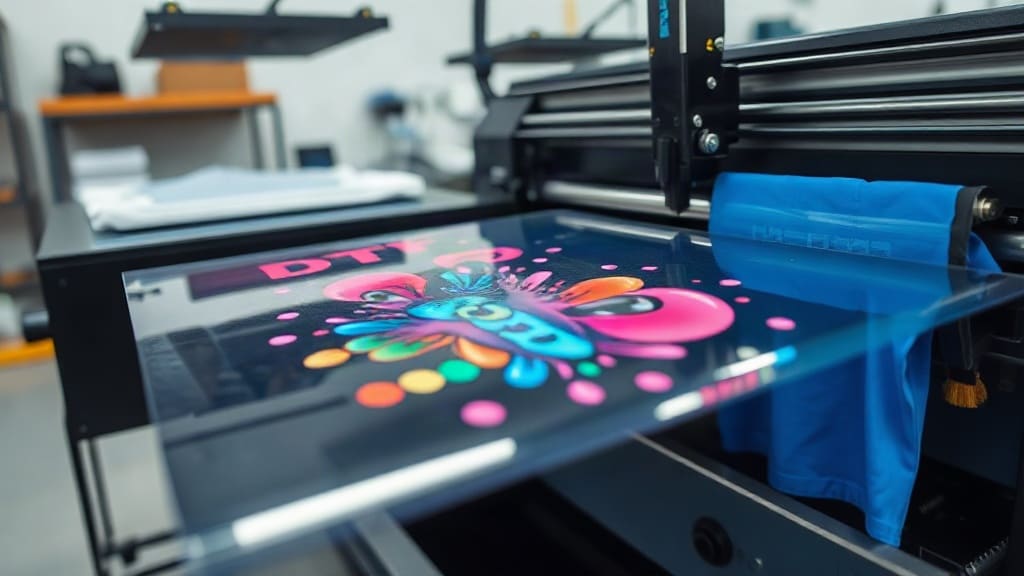
If you're in the custom printing world, you've likely heard about DTF transfers. This innovative printing method has taken the industry by storm, offering a flexible and affordable way to create vibrant designs on a wide range of fabrics. Whether you're a small business owner, a DIY enthusiast, or a large-scale printer, understanding the ins and outs of DTF printing can help you produce high-quality custom apparel with ease. In this comprehensive guide, we'll dive deep into what DTF transfers are, how they work, their benefits, and how to get the best results.
What Are DTF Transfers?
DTF stands for Direct to Film. It's a printing technique where a design is printed onto a special film using a DTF printer, then transferred to a substrate (usually fabric) using a heat press. The process involves printing the design with CMYK colors plus white ink, applying a special adhesive powder, and then curing it. The result is a highly detailed, vibrant transfer that can be applied to various materials like cotton, polyester, blends, and even nylon.
Unlike traditional screen printing that requires separate screens for each color, DTF printing is a digital process, making it ideal for full-color designs, gradients, and intricate details. It's a game-changer for short runs and custom orders because there are no setup costs, and you can print one-off designs without extra expenses.
How Does DTF Transfer Work?
The process might sound complex, but once you break it down, it's quite straightforward. Here are the key steps involved:
1. Printing the Design
First, you create or upload your design onto a computer connected to a DTF printer. The printer uses specialized DTF inks that include white ink as a base layer. The white ink is essential because it creates an opaque background that makes colors pop, especially on dark fabrics.
2. Applying Adhesive Powder
Once the ink is printed onto the film, while it's still wet, a hot-melt adhesive powder is applied. This powder sticks to the ink and later melts during the heat press, creating a strong bond between the film and the fabric.
3. Curing the Powder
The film with the adhesive powder is then passed through a curing oven or a heat press at a specific temperature to melt the powder slightly and bond it to the ink. This step ensures the powder doesn't come off and that the final transfer has proper adhesion.
4. Pressing onto Fabric
Now, the film is placed onto the fabric with the printed side down, and pressure and heat are applied using a heat press. The heat activates the adhesive, and the design is transferred from the film to the fabric. After cooling, you peel off the film, and your custom garment is ready.
Why Choose DTF Transfers?
There are several reasons why DTF transfers have become so popular among printers and businesses:
- Versatility: DTF works on a wide variety of fabrics, including cotton, polyester, blends, and even tricky materials like nylon and leather. This makes it more versatile than methods like sublimation, which only works on polyester.
- No Weeding: Unlike heat transfer vinyl (HTV), DTF transfers require no weeding. The entire design is printed and transferred in one piece, saving time and labor.
- Full Color and Details: Because it's a digital printing process, DTF can produce intricate designs with thousands of colors, gradients, and fine details without additional costs.
- Soft Hand Feel: The final print has a soft texture that doesn't crack or peel easily, making it comfortable to wear.
- Cost-Effective for Short Runs: There are no screen setup fees, so you can print just one shirt or a small batch economically.
- Durability: DTF prints are known for their durability. They can withstand repeated washing without fading or cracking, making them ideal for workwear and sportswear.
Tips for Achieving Perfect DTF Transfers
To get the best results with DTF transfers, follow these expert tips:
1. Use High-Quality Materials
Invest in good quality DTF film, inks, and adhesive powder. Cheap materials can lead to poor adhesion, color issues, or premature wear. Look for reputable brands that offer consistent results.
2. Calibrate Your Printer and Heat Press
Proper calibration is key. Ensure your DTF printer is set to the right resolution and color settings. Also, calibrate your heat press temperature and pressure according to the film and fabric specifications. Usually, temperatures range from 140°C to 160°C, and pressure should be medium to firm.
3. Pretreat Your Film Correctly
The film needs to be stored in a dry, clean environment. Handle it with care to avoid dust or fingerprints. When printing, make sure the film is loaded correctly to avoid misalignment or ink smudging.
4. Press with the Right Technique
When pressing, use a Teflon sheet or parchment paper to protect both the film and the fabric. Apply even pressure and press for the recommended time, usually 10-15 seconds. After pressing, peel the film while it's still warm or after cooling, depending on the film type. Some films require hot peeling, others cold. Always check the instructions.
5. Test Before Full Production
Always do a test press on a scrap piece of fabric to ensure the transfer adheres properly and the colors look as expected. This is especially important when switching to a new fabric or ink batch.
Common Mistakes to Avoid
Even experienced printers can make mistakes. Here are some common pitfalls to watch out for:
- Over-pressing: Applying too much heat or pressure can cause the transfer to scorch or bleed. Follow the recommended time and temperature closely.
- Using the Wrong Film: Not all films are created equal. Some are designed for specific inks or press conditions. Using the wrong film can lead to poor results.
- Ignoring Fabric Type: While DTF is versatile, some fabrics may require lower temperatures or special handling. Test on each new fabric type.
- Skipping the Curing Step: Curing the adhesive powder is crucial. If you skip it or don't do it properly, the powder may not stick, and the transfer will fail.
Applications of DTF Transfers
DTF transfers are used in many industries. They're perfect for creating custom t-shirts, hoodies, tote bags, and caps. Because of their durability, they're also great for sports uniforms and team jerseys. Many small businesses offer personalized DTF transfers for birthdays, events, and corporate merchandise. The flexibility to print on demand reduces inventory costs and waste.
DTF Transfers vs. Other Printing Methods
When you compare DTF to other methods like screen printing, heat transfer vinyl, and sublimation, each has its pros and cons. Screen printing is still best for large quantities with simple designs, but DTF offers more flexibility for complex designs and small runs. HTV is limited to solid colors and requires weeding, while DTF is full color and no weeding. Sublimation only works on polyester and white backgrounds, but DTF can print on dark and light fabrics. Thus, DTF transfers are an excellent addition to any printing business, allowing you to expand your services.
Caring for DTF Printed Garments
To ensure the longevity of your DTF transfers, proper care is essential. Wash garments inside out in cold water and avoid using bleach or fabric softeners. Tumble dry on low or hang to dry. Do not iron directly on the print; if necessary, use a pressing cloth. With proper care, your DTF prints can last for years without fading or cracking.
Where to Get DTF Transfers
If you're not ready to invest in DTF printing equipment, you can purchase pre-made DTF transfers from companies like DTF Classic. They offer custom transfers where you can send your design and receive ready-to-press transfers. This is a great option for small businesses or individuals who want to offer custom apparel without heavy upfront costs. When choosing a provider, look for one that uses high-quality materials and offers good customer support.
Frequently Asked Questions
What fabrics can I use DTF transfers on?
DTF transfers work best on cotton, polyester, and blends. They can also be used on nylon, canvas, and leather, but it's important to test first because some synthetic fabrics may require lower temperatures. Always consult the film manufacturer's guidelines.
How long do DTF transfers last?
With proper application and care, DTF transfers can last as long as the garment itself. They are resistant to cracking, peeling, and fading. Washing inside out and avoiding high heat will extend their life.
Can I use DTF transfers on dark-colored fabrics?
Absolutely! One of the main advantages of DTF is that the white ink base allows colors to appear vibrant even on dark shirts. Just ensure that the white layer is opaque enough, which is why quality ink and printing are crucial.
Do I need to pre-treat the fabric before applying DTF?
No, that's the beauty of DTF. It doesn't require any pre-treatment, unlike sublimation. You can press directly onto the fabric without extra steps, saving time.
Can I use a regular heat press for DTF transfers?
Yes, you can use a regular heat press. However, you need to ensure it can reach the required temperature and apply even pressure. A heat press with a digital temperature control is recommended for consistency.
Final Thoughts
DTF transfers have revolutionized the custom printing industry with their versatility, ease, and cost-effectiveness. Whether you're starting a print-on-demand business or looking to streamline your existing operations, incorporating DTF transfers can open up new opportunities. By understanding the process and following best practices, you can produce stunning, durable prints that your customers will love. So, why wait? Dive into the world of DTF and watch your creative ideas come to life.