
Direct-to-film printing, commonly known as DTF, has revolutionized the custom apparel industry. Unlike traditional methods, DTF transfers allow vibrant, detailed designs to be printed onto a special film and then transferred to fabric using heat and pressure. Whether you're a small business owner, a hobbyist, or someone looking to create custom gifts, understanding DTF transfers can open up a world of possibilities. In this comprehensive guide, we'll dive deep into the process, benefits, and practical tips for getting the best results, including how to find reliable DTF transfers near me.
What Are DTF Transfers?
DTF transfers are a printing method where designs are printed onto a PET film using specialized printers and inks, then coated with an adhesive powder. The film is then placed on the desired fabric and subjected to heat and pressure, transferring the design onto the material. This technique is incredibly versatile, working on cotton, polyester, blends, and even some hard surfaces like wood or metal, making it a favorite among custom apparel creators.
How Does the DTF Process Work?
The DTF process may seem complex, but it's straightforward once you understand the steps:
- Design Creation: You start with a digital design, which can be anything from a logo to a full-color graphic. The design is printed in mirror image (reversed) onto a PET film using a DTF printer loaded with CMYK and white ink.
- Adhesive Application: After printing, a powdered adhesive is applied to the wet ink. This adhesive is what will bond the ink to the fabric during the heat press.
- Drying: The film is then dried to set the adhesive and ink. This can be done using a tunnel dryer or a simple heat source.
- Transfer: The film is placed on the fabric with the printed side facing down. A heat press applies pressure and heat (typically around 320°F to 350°F) for about 10 to 15 seconds.
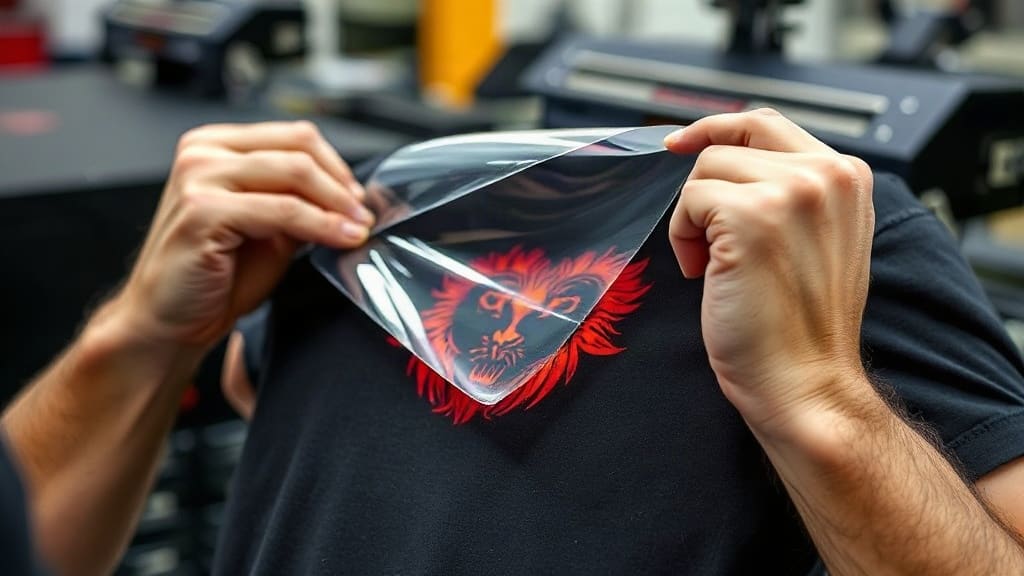
- Peeling: Once the transfer is complete, the film is peeled away, leaving a vibrant, durable design on the fabric.
Why Choose DTF Transfers Over Other Methods?
DTF offers several advantages that make it a superior choice for many applications:
- Versatility: You can print on virtually any fabric, including dark and light colors, without needing a white underbase for light-colored designs on dark shirts.
- Durability: DTF prints are highly resistant to cracking, peeling, and fading, even after many washes.
- Cost-Effective for Small Runs: Unlike screen printing which requires setup fees, DTF is affordable for low quantities, making it perfect for small batches or one-off items.
- Ease of Use: DTF transfers can be stored and applied later, giving you flexibility in production.
- Vibrant Colors: The white ink layer ensures that colors pop, even on dark fabrics, and the print has a soft, high-quality feel.
How to Find Quality DTF Transfers Near Me
When searching for DTF transfers near me, it's essential to find a provider that prioritizes quality. Here are some tips:
- Check Reviews: Look for companies with positive feedback on their print quality, turnaround time, and customer service.
- Ask for Samples: A reputable provider will gladly send samples so you can inspect the print quality and durability firsthand.
- Inquire About Materials: Find out what brands of ink, film, and adhesive they use. High-quality materials make a significant difference.
- Consider Turnaround Time: If you need your transfers quickly, ensure they can meet your deadline.
- Look for Custom Support: A good provider will help you with design setup, color matching, and troubleshooting.
DIY DTF Transfers: Is It Worth It?
With the rise in popularity, many people consider investing in their own DTF printer. While this can be rewarding, it requires a significant upfront investment in equipment and supplies. For most individuals and small businesses, outsourcing to a professional DTF transfer service is more practical, especially when starting out. However, if you plan to produce high volumes, having an in-house system can save money in the long run.
Common Mistakes to Avoid When Using DTF Transfers
Even with the best DTF transfers, mistakes can happen. Here are some pitfalls to avoid:
- Incorrect Heat Settings: Too low or too high temperature can ruin the transfer. Always follow the recommended settings.
- Not Using Teflon Sheets: Protect the transfer and fabric with a Teflon sheet to prevent burning or sticking.
- Skipping Pre-Press: Always pre-press the garment to remove moisture and wrinkles for a smooth transfer.
- Peeling Too Early or Late: Follow the instructions for hot or cold peel. Improper peeling can cause the design to lift or crack.
- Stretching the Fabric: Avoid stretching the fabric during the press, as this can distort the final design.
Care Instructions for DTF Transfers
To ensure your DTF printed garments last long, it's crucial to care for them properly:
- Wash inside out in cold water.
- Use mild detergent without bleach.
- Do not iron directly on the design; turn it inside out or use a protective sheet.
- Avoid using fabric softeners, as they can degrade the adhesive over time.
- Tumble dry low or hang dry to preserve the print's integrity.
Creative Applications of DTF Transfers
DTF transfers are not limited to t-shirts. You can use them on:
- Tote bags
- Hoodies and sweatshirts
- Athletic wear
- Denim jackets
- Pillows
- Canvas shoes
- Aprons
Environmental Considerations
As sustainability becomes more critical, it's worth noting that DTF printing produces minimal waste compared to screen printing. The film used is recyclable, and water-based inks are available. When choosing a provider, ask about their eco-friendly practices to reduce your carbon footprint.
Frequently Asked Questions
How many washes do DTF transfers last?
High-quality DTF transfers can withstand 50 to 100 washes or more when properly applied and cared for. The durability depends on the quality of materials and the pressing process. Always follow care instructions to extend the life of your prints.
Can DTF transfers be used on any fabric?
Yes, DTF transfers work on a wide range of fabrics, including cotton, polyester, blends, and even some synthetic materials. However, for very stretchy fabrics like spandex, you need to ensure the adhesive is flexible enough to prevent cracking.
What is the difference between DTF and DTG printing?
DTG (direct-to-garment) printing involves printing directly onto the fabric using a specialized inkjet printer. DTF transfers, on the other hand, are printed onto a film and then transferred to the fabric with heat. DTF is more versatile for different fabric types and allows for bulk production of transfers that can be stored for later use.
How much do DTF transfers cost?
The cost varies depending on the size, quantity, and provider. Typically, single DTF transfers can range from $2 to $10 each, with discounts for bulk orders. It's essential to get quotes from multiple providers to find the best price without compromising quality.
Can I order DTF transfers online?
Absolutely! Many companies offer online ordering where you can upload your design, choose the size and quantity, and have the transfers shipped directly to your door. Just ensure you select a reputable provider with positive reviews.
Conclusion
DTF transfers have transformed the way we create custom apparel, offering unmatched flexibility, durability, and vibrancy. Whether you're a business looking to expand your product line or an individual seeking unique gifts, understanding the ins and outs of DTF printing is invaluable. By following the tips in this guide and finding a reliable source for DTF transfers near me, you'll be well on your way to producing professional-quality garments that stand out. So go ahead, unleash your creativity, and let DTF transfers bring your designs to life.